
A car can look perfectly fine from the outside while a small, worn component quietly affects how it performs.
A loose hose, ageing belt, clogged filter, or damaged seal might seem minor, but each can influence the way a vehicle runs.
Many drivers focus on major components such as engines, transmissions, and brakes. However, smaller replacement parts also deserve attention because they support these larger systems.
Understanding which components matter, how they wear out, and when to replace them can help car owners avoid unnecessary repairs and keep their vehicles running reliably.
Why Small Car Components Matter More Than You Think
A vehicle works through hundreds of connected mechanical and electrical components. Some are responsible for major operations, while others support, protect, or regulate those systems.
The importance of a component is not always related to its size or price.
Small Parts Support Bigger Systems
Consider an engine cooling system. The radiator, water pump, thermostat, hoses, and seals all contribute to controlling engine temperature.
A damaged hose may cause coolant to escape. If the problem goes unnoticed, the engine could overheat, potentially resulting in expensive damage.
Similarly, a worn serpentine belt can affect several accessories, depending on the vehicle’s design.
These examples show why small components should never be dismissed simply because they appear inexpensive.
Minor Wear Can Lead to Bigger Repairs
Not every worn component causes immediate trouble. Some gradually lose effectiveness, making early warning signs easy to overlook.
For example:
- A clogged engine air filter can restrict airflow.
- Worn wiper blades can reduce visibility during rain.
- Damaged rubber seals may allow fluid leaks.
- Loose electrical connections can cause intermittent faults.
Recognizing these issues early gives drivers more options before additional problems develop.
Which Small Car Parts Deserve Regular Attention?
Not every vehicle requires the same maintenance schedule. Driving conditions, mileage, manufacturer recommendations, and component materials influence how frequently inspections are needed.
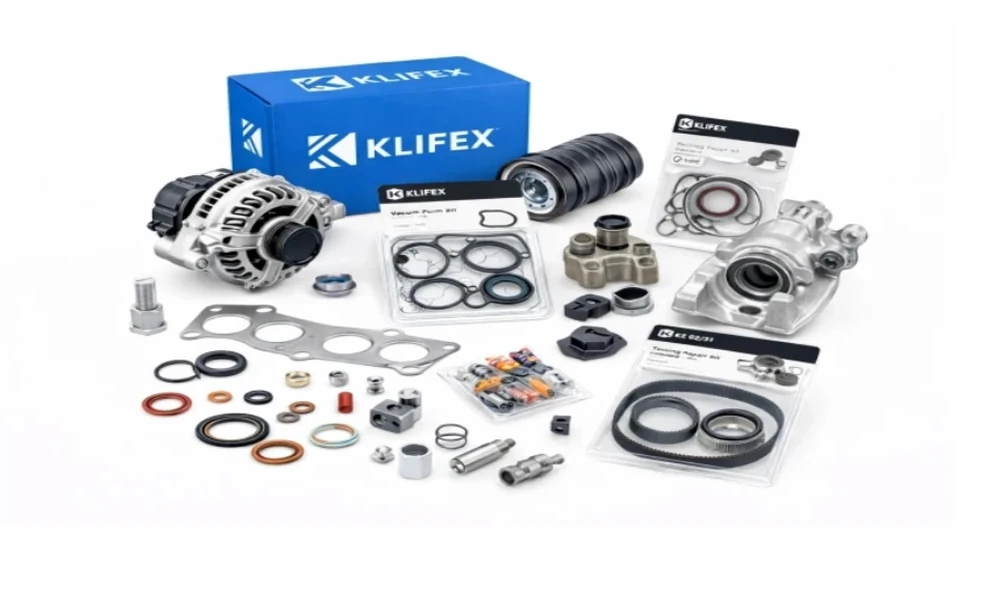
When checking spare parts for car maintenance, it helps to focus on components that experience heat, friction, vibration, or environmental exposure.
Filters, Belts, and Hoses
These components perform different functions but share one characteristic: their condition can change gradually.
Engine air filters collect airborne particles, while belts transfer mechanical motion between connected components. Hoses carry fluids through systems such as engine cooling.
Drivers should watch for cracked rubber, visible leaks, unusual belt noises, and maintenance intervals specified in the owner’s manual.
Sensors and Electrical Connections
Modern vehicles use sensors to monitor operating conditions and help electronic systems make adjustments.
A faulty sensor or damaged connector can sometimes trigger warning lights, affect engine operation, or create inconsistent readings.
However, replacing a sensor simply because a warning light appears is not always the correct solution. Diagnostic testing should identify the actual cause first.
How to Recognize When a Small Component Needs Replacing
Small components often provide clues before they fail. Learning to identify those clues can make routine maintenance more effective.
Still, symptoms do not always identify a specific faulty part. Several mechanical problems can produce similar signs.
Warning Signs Worth Checking
Pay attention to changes such as:
- Unusual squealing, rattling, or clicking noises
- Fluid stains beneath the vehicle
- Reduced visibility from streaking wipers
- Repeated dashboard warning lights
- Changes in engine temperature
- Visible cracks or deterioration in rubber components
These signs indicate that inspection may be necessary, not that a particular part automatically needs replacement.
For problems involving braking, steering, overheating, or other safety-critical systems, professional assessment is especially important.
Why Choosing the Correct Replacement Part Matters
Replacing a worn component is only useful when the new part meets the vehicle’s requirements. Two components can look almost identical but differ in dimensions, materials, electrical specifications, or mounting arrangements.
This makes compatibility an important consideration when evaluating auto spare parts for maintenance or repair work.
Check Compatibility Before Purchasing
Before selecting a replacement component, drivers should:
- Confirm the vehicle’s make, model, year, and engine specification.
- Check the original equipment part number where available.
- Review manufacturer compatibility information.
- Compare technical specifications rather than appearance alone.
- Confirm that the component meets applicable quality and safety requirements.
An incorrect component may not fit properly or perform as intended.
Avoid Replacing Parts Without Diagnosis
Imagine a vehicle experiencing repeated engine temperature problems.
Replacing the thermostat might seem reasonable, but the actual cause could involve a coolant leak, radiator fan, or another cooling-system fault.
Accurate diagnosis prevents unnecessary purchases and helps address the real problem.
How Can Drivers Give Small Components More Attention?
Effective maintenance does not require replacing everything early. It involves knowing what to inspect, following appropriate service intervals, and responding when something changes.
A simple routine makes this easier.
Build a Practical Inspection Habit
- Check exterior lights and windshield wipers.
- Look for visible leaks or damaged hoses.
- Monitor fluid levels according to the owner’s manual.
- Follow recommended filter and belt replacement schedules.
- Keep records of previous repairs and component replacements.
Maintenance records are particularly useful when recurring issues appear because they help identify what has already been inspected or replaced.
Conclusion
Small vehicle components rarely receive the same attention as major mechanical systems, yet their condition can influence reliability, safety, and maintenance expenses.
From filters and belts to seals and electrical connections, each component performs a specific task that supports the vehicle’s operation.
Paying closer attention to small parts, choosing compatible replacements, and avoiding unnecessary repairs can make car maintenance more manageable.
The goal is not to replace components more frequently. It is to understand their condition and take appropriate action when maintenance is genuinely needed.
Small Components, Big Impact: Why Spare Parts for Car Deserve More Attention