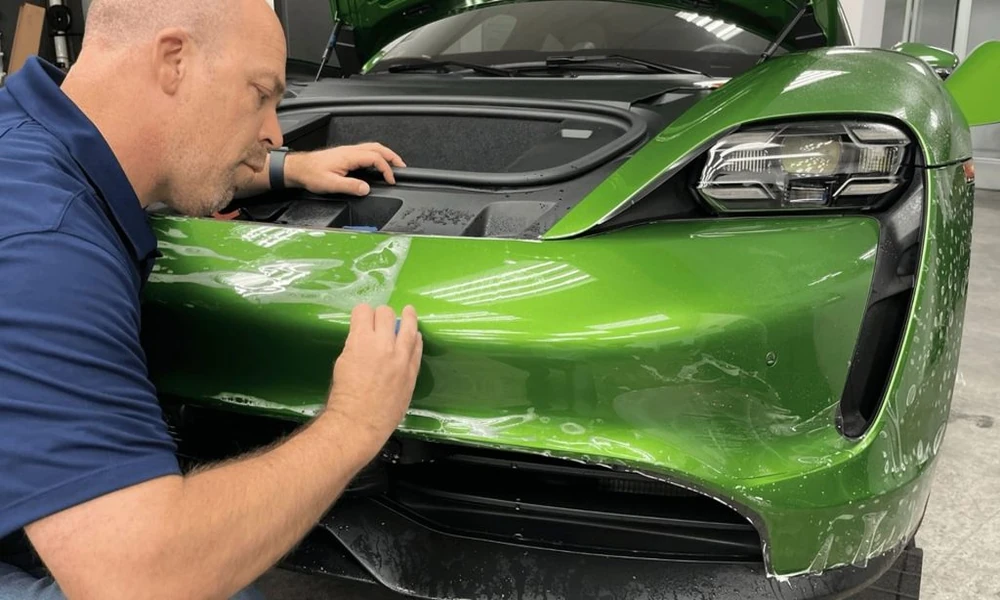

Searching for a clear bra installer nearby pulls up a long list of options, and price alone rarely tells you which shop will actually do a careful job. Paint protection film is one of those services where the difference between a great installer and a mediocre one is invisible on day one and painfully obvious a year later, once edges start lifting or the film yellows in the sun. Knowing what separates a careful installer from a rushed one before you book saves you from a redo down the road.
What Is Clear Bra Film, and What Does It Actually Protect?
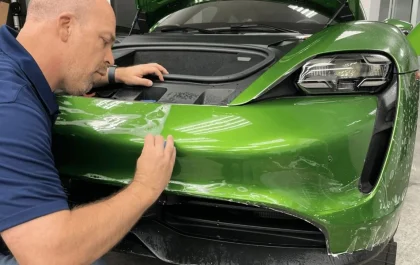
Clear bra, more formally called paint protection film, is a thin, optically clear layer of polyurethane applied directly to the most exposed parts of a car, typically the front bumper, hood, mirrors, and rocker panels. Rather than sitting as a coating on the surface, the film physically absorbs the impact from rock chips, road debris, and minor abrasions before they ever reach the clear coat underneath. Many self healing versions can also shrug off light scratches on their own with a bit of heat from the sun or warm water.
How Is It Different From Ceramic Coating?
The two get confused often since both aim to protect paint, but they work in completely different ways. Film is a physical barrier with real thickness, built to absorb impact energy from flying debris. Coating is a thin chemical layer that bonds to the clear coat and adds hardness, gloss, and water resistance, without adding meaningful impact protection. Many owners actually run both, applying coating over the film itself for a combination of impact resistance and easy cleaning.
What Should You Look for When Comparing Installers?
A search for clear bra near me turns up dozens of results, from dedicated PPF specialists to general detail shops that offer it as a side service, and the difference between them is not always obvious from a listing alone. Ask specifically about the film brand being used, since well known brands carry stronger warranties and more consistent quality than generic film bought in bulk. Also ask how the shop handles edges, since a hand trimmed edge that lifts within months is one of the most common complaints about a rushed installation.
Does Experience With Your Specific Vehicle Matter?
Complex body panels, like a hood with a sharp crease or mirror caps with tight curves, take noticeably more skill to wrap cleanly than a flat bumper. Ask to see photos of a similar vehicle the shop has worked on before, particularly around those tricky curved sections, rather than relying on general reviews alone.
How Much Should You Expect to Pay?
Pricing depends heavily on how much of the car is covered. A partial front end package, covering the bumper, hood edge, mirrors, and headlights, typically costs less than a full front clip, which extends coverage across the entire hood and fenders. Full vehicle coverage sits well above both. Film brand and labor time also factor in, since a shop that takes the time to pattern cut film precisely for your specific model will usually charge more than one using a generic bulk roll.
What Questions Separate a Confident Installer From a Risky One?
A confident installer will happily explain the self healing properties of the film they use, walk you through what the removal process looks like years down the road, and put warranty terms in writing rather than describing them verbally. Vague answers about bubbling risk, rushed same day scheduling with no explanation of prep time, or reluctance to show past work are all signs worth taking seriously before you commit.
How Long Does the Installation Process Take?
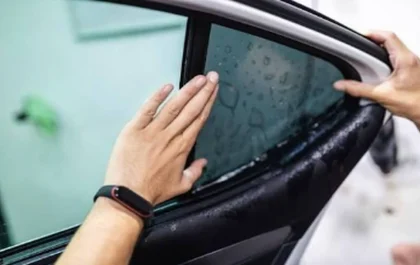
A partial front end package usually takes a full day from start to finish, since the film needs to be cut, test fitted, and carefully squeegeed into place around curves and edges without trapping any dust or debris. Full vehicle wraps can stretch across two or three days depending on the shop’s schedule and the complexity of the body panels involved. Rushing this timeline is one of the fastest ways to end up with visible seams or lifted edges months later.
What Should You Avoid in the First Few Days After Installation?
Avoid washing the car, using high pressure water directly on the edges, or parking in direct sun for extended periods while the adhesive is still curing. Most installers recommend waiting at least a few days before the first wash, and even longer before running the car through an automatic wash with brushes.
Clear bra is a meaningful investment in how your car looks years from now, and the quality of the installation matters just as much as the film itself. A little research before booking, focused on the installer’s process rather than just the price quoted, goes a long way toward avoiding a redo.
How to Find a Reliable Clear Bra Installer Near You