

The suction control valve, or SCV, is a small but vital part of your car’s fuel system. It controls how much fuel gets into the pump. This keeps fuel pressure steady, even when you’re speeding up, going uphill, or stuck in traffic.
In a common rail system, the engine needs the right fuel pressure at the right time. When it gets it, the engine runs smoothly, and you get better fuel efficiency. It also helps avoid wasting fuel and cutting down on harmful emissions.
If the SCV can’t manage fuel pressure well, problems show up quickly. The engine might run rough, stumble, stall, or use more fuel than it should. Over time, this can hurt how well the engine performs and increase emissions.
This article explains what the suction control valve does, how it works, and what happens if it fails. You’ll also learn how to spot issues during service. This way, a simple problem like dirty filters or bad fuel won’t be blamed on the SCV.
Key Takeaways
- The suction control valve is a critical fuel system component that helps manage fuel pressure regulation.
- The SCV supports stable engine performance by controlling fuel flow into the pump.
- In a common rail system, correct pressure improves combustion efficiency and fuel efficiency.
- Pressure that’s too high or too low can lead to rough running, stalling, and higher emissions.
- SCV issues can mimic other problems, so accurate checks matter before replacing parts.
- Fuel filtration and fuel quality can affect how well the SCV and the fuel system respond.
What a Suction Control Valve Does in the Fuel System
A suction control valve is a small device that controls fluid flow. In modern fuel systems, it works with the pump. It keeps the flow rate steady as the load and speed change.
It sits between the fuel pump and injectors. It fine-tunes the fuel flow. This is key for fuel delivery control, as it sets the pressure for the injectors.
If the setting is too low, the engine may hesitate or stall. If it’s too high, the engine may feel harsh. This can harm the injectors.
In diesel engines, the valve helps common rail injectors. It controls the fuel in the rail. This keeps the fuel pressure steady for smooth injections.
| Fuel pressure state | What you may notice | What it means for the system |
| Too low | Sluggish response, stumbling, possible stalling | Weak atomization and uneven combustion can reduce efficiency and raise soot |
| On target | Smooth idle, clean pull, predictable throttle feel | Stable metering supports accurate injection timing and better fuel economy |
| Too high | Rough running, louder diesel knock, surging | Extra stress increases wear risk and can compromise injector protection |
In Australia, finding the right balance is key. It matters in city traffic, long drives, and hot weather. Keeping the pressure right helps the engine run smoothly. It also cuts down on emissions without asking the driver to change how they drive.
Your Car’s Suction Control Valve
The suction control valve is simple. It controls how much fuel moves from the tank to the pump. It does this at a steady rate. It’s placed between the reservoir and the pump inlet.
The SCV function uses feedback, not guesses. It feels pressure changes and adjusts to keep flow steady. This steady flow helps the fuel system work well under load.
A fuel pressure gauge test can answer questions. Connect the gauge to the fuel line on the valve. Look for 1 to 2 psi. If it’s off, you need to troubleshoot deeper.
| Check point | What you’re looking for | What it can suggest |
| Valve role in the system | Stable flow from the reservoir to the pump | Normal SCV function helps prevent pressure swings that can upset fueling |
| Pressure drop behavior | Valve adjusts as demand changes | Slow or erratic response can show up as inconsistent drive feel during troubleshooting |
| fuel pressure gauge test | 1-2 psi at the fuel line on the side of the valve | Outside range may indicate the valve isn’t regulating correctly and may be due for replacement |
| Mixture impact | lean vs rich balance stays predictable | Misregulation can push the engine lean or rich, raising engine emissions |
| Driver-visible outcomes | Smooth running across conditions | Instability can contribute to decreased fuel economy and, in some cases, stalling |
If the valve can’t meter flow well, the engine may swing lean or rich. This can lead to bad fuel economy and high emissions. It’s a big problem in stop-start city driving.
Knowing how the valve works helps fix problems faster and cheaper. It shows why steady fueling is key. Unstable flow can cause rough running and hesitation without warning.
How the Suction Control Valve Works Mechanically and Electrically
The suction control valve controls fuel flow from the reservoir to the pump. When it’s open, fuel flows easily, helping the pump fill smoothly. This is key to stable pressure in the system.
The valve’s movement is precise. A diaphragm-actuated valve uses a flexible diaphragm to move the valve element in small steps. This is driven by the SCV electromagnet, turning electrical commands into precise movements.
Fuel metering valve operation relies on feedback, not guesses. With pressure drop sensing, the valve adjusts flow based on changes. This ensures the pump delivers the right amount of fuel.
Flow control is critical in a common rail system. It helps maintain consistent rail pressure. This lets injectors deliver the right amount of fuel at the right pressure.
Consistent pressure leads to cleaner combustion and better engine performance. The engine idles smoother and wastes less fuel. Over time, this can also cut carbon emissions and improve fuel economy.
| What’s Happening | Mechanical Action | Electrical Control | System Effect |
| Valve opens to feed the pump | Diaphragm relaxes and the passage area increases | SCV electromagnet reduces pull to allow more flow | Stronger pump suction control and faster rail pressure recovery |
| Valve closes to limit intake | Diaphragm shifts to restrict the passage | SCV electromagnet increases pull for tighter control | Smoother fuel metering valve operation and less pressure overshoot |
| Load changes during acceleration | Diaphragm adjusts position in small increments | Current is modulated in quick steps | More stable injector supply and cleaner combustion timing |
| Flow is corrected using feedback | Diaphragm movement offsets restriction changes | Pressure drop sensing guides the control signal | Consistent fuel pressure even as demand shifts |
Symptoms of a Failing Suction Control Valve and What They Can Affect
Small changes in how your car drives can signal SCV trouble. You might find it hard to start in the morning. Then, it might not accelerate well when you need to.
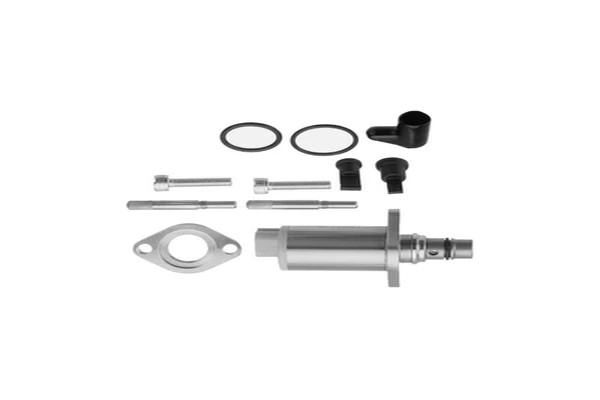
When fuel pressure is off, the engine feels wrong, even before a light comes on.
Idle problems are a big clue. A rough idle can turn into an unstable one. This can stall your car, which is a big problem when you’re driving.
Low pressure makes the engine weak and unstable. High pressure makes it harsh and noisy. This can damage the injectors.
See this SCV failure overview for more details.
These issues also affect your car’s emissions and how often you need to fill up. A bad air-fuel mix hurts fuel efficiency and increases emissions. This can make your car smell bad and run dirty.
| What you notice | What it often points to | What it can affect next |
| Hard starting, longer crank time | Rail pressure builds slowly or unevenly | More battery strain, unstable cold combustion, higher soot output |
| Poor acceleration, flat throttle response | Fuel delivery can’t match demand under load | Hesitation in traffic, hotter exhaust temps, reduced towing confidence |
| Rough idle and inconsistent idle | Pressure oscillation at low pump speed | Cabin vibration, misfire-like feel, increased wear on mounts and driveline |
| Stalling at stops or during low-speed turns | Pressure drops below the stable running threshold | Loss of power assist moments, safety risk in intersections, restart delays |
| Sharper diesel clatter or “strange” engine noise | Over-fueling or pressure spikes | Injector damage risk, harsher combustion, rising smoke under load |
| Fuel economy loss and emissions increase | Lean/rich swings that reduce burn quality | More frequent fill-ups, stronger exhaust odor, failed emissions checks |
Smart Maintenance Checks During SCV Service or Replacement
When SCV work is on the schedule, it’s a great time for checks. A quick fuel pickup filter inspection can save time. This is true whether it’s for service intervals or a driveability complaint.
Fine dust and tank sediment can build up fast in many Australian conditions. A restricted pickup can show the same symptoms as a blocked fuel filter. Symptoms like hard starting, weak acceleration, and an idle that won’t settle can appear.
Checking the fuel tank pickup screen is important. It helps avoid misdiagnosis and stops the cycle of swapping parts. This step fits basic fuel system maintenance logic.
The SCV manages fuel flow and pressure. But anything upstream that limits flow can warp pressure readings and performance. Clean supply in, stable pressure out-both sides have to be right for the system to behave.
Keeping fuel pressure accurate supports cleaner combustion and steadier engine response. It can help reduce carbon emissions while protecting fuel economy. Pairing SCV replacement checks with a fuel pickup filter inspection and a look at the fuel tank pickup screen helps lock in those results. It’s a small check that often prevents big doubts.